

- 01Goulds Dam: 38.7Mt @ 388ppm U; 33.1Mlb U (+8.1).
- 02Jason's: 13.3Mt @ 410ppm U; 12.0Mlb U (+1.3).
- 03Upside: open mineralisation; Honeymoon wellfield plan.
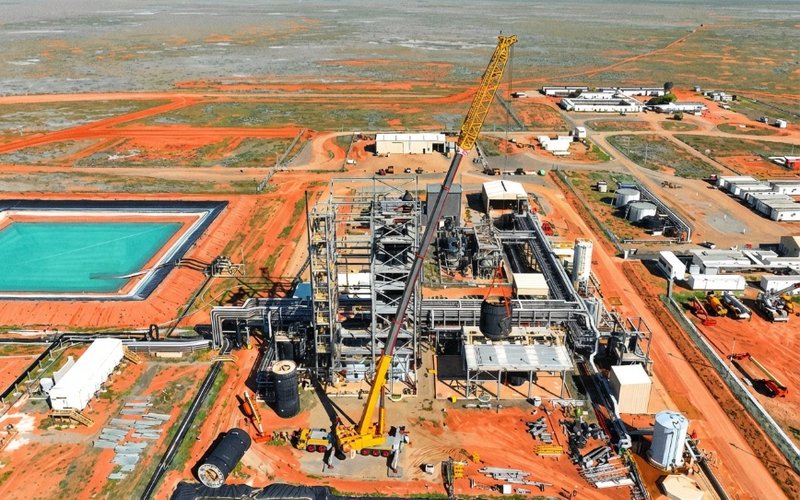
Boss Energy (ASX: BOE) has reported updated mineral resource estimates (MRE) for the Gould’s Dam and Jason’s Deposit satellite uranium discoveries adjacent to its Honeymoon operation in South Australia.
The Gould’s Dam total MRE has been estimated at 38.7 million tonnes grading 388 parts per million uranium concentrate for 33.1 million pounds of contained uranium metal (23% Indicated and 77% Inferred).
The total contained uranium has increased by 8.1Mlbs (or 30%) on the previous resource estimate in 2016 while the average grade has dropped by 122ppm (24%) following additional drilling and improved geological understanding gained from Honeymoon.
Boss believes the wide-spaced wellfield extraction approach being studied for Honeymoon is likely to be applicable to Gould’s Dam, which could potentially lead to conversion of a material portion of the mineral resource into a mine plan.
Accelerated Development Pathway
The Jason’s Deposit total MRE sits at 13.3Mt grading 410ppm uranium concentrate for 12.0Mlbs of metal (41% Indicated and 59% Inferred), with total contained uranium increasing by 1.3Mlbs (9%) and average grade reducing by 380ppm (48%) from a 2017 estimate.
The mineralisation remains open, providing Boss with scope for additional drilling upside when resource extension work begins later this year.
The development pathway for the two deposits has accelerated over the past six months, with all baseline and technical studies for permitting applications being advanced.
State and federal approvals processes are anticipated to commence in the second half of this year, with timing from initial applications to the granting of a mining lease expected to take up to 24 months.
A further 12 months will be required for the approval process relating to environment protection and rehabilitation.
Honeymoon for Referencing
Boss managing director Matthew Dusci said the satellite deposits would capitalise on the learnings at Honeymoon.
“The wide-spaced wellfield design being advanced as part of the new feasibility study at Honeymoon is expected to be directly applicable to these satellite deposits,” he said.
“If successful, this approach has the potential to deliver a high conversion of the resource to wellfield mining inventory through cost-efficient extraction.”
“Early indications suggest that both deposits could be material production sources of uranium in the future, leveraging existing infrastructure at the Honeymoon operation.”
Gould’s Dam and Jason’s Deposit are respectively located approximately 80km west and 13km north of the Honeymoon operation.
Get the wire before the market opens.
The ASX small-cap stories that matter, filed before 9am AEST. Curated by the Small Caps desk.