
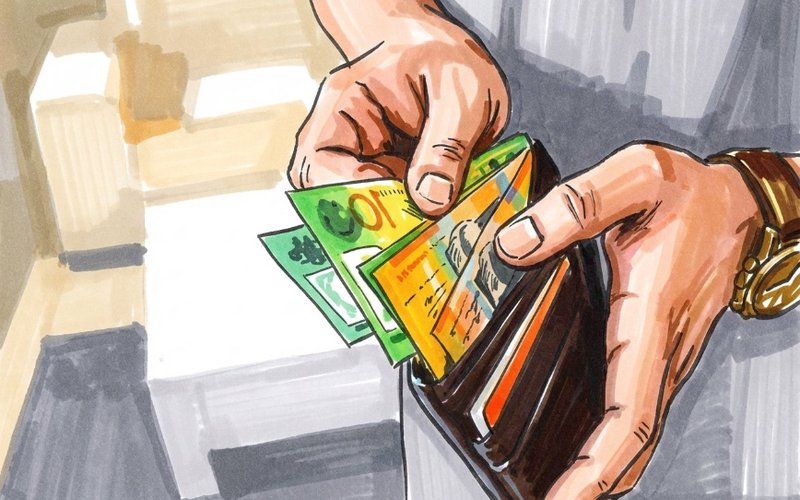
War has a way of stopping things quickly, but even before Israel and the US started bombarding Iran, Australians had already snapped their wallets shut.
Commonwealth Bank figures showed that household spending fell sharply for the first time in 17 months in February—before the first shots were fired in anger in Iran.
Now that those shots have been fired and oil tankers navigating the Strait of Hormuz have been effectively blockaded, the chances are that the factors causing Australians to stop spending have gone into overdrive.
Higher Prices Mean Higher Interest Rates
Much higher oil prices will push inflation relentlessly higher, higher inflation will lead to rising official interest rates and before you know it, a spending reduction could turn into a real consumer spending crunch.
A lot depends on how long the war keeps going, with the timing not just in the hands of US President Donald Trump but also with the Iranian regime and their willingness to keep throwing sand into the wheels of commerce.
If the ships waiting to export oil can’t get out for a long time and the oil and gas production from the Gulf States gets totally jammed, then things could get very interesting, very early.
Then, on the other hand, the war could end very quickly, allowing things to get back to normal much faster than most people have anticipated.
Driving volatile share prices in both directions and also impacting on the consumer behaviour of many Australians is just one of the by-products of the war.
Available Spending Being Diverted
What may really dampen consumer spending is the greater amount than usual that is being used to put fuel in cars.
What is spent at the pump is no longer available for spending on other things, causing a big shift in spending patterns.
Not even electric car owners will fully escape the rising price of energy because international gas prices are rising fast, which usually has an outsized effect on electricity prices due to the role of gas peaking plants in meeting marginal demand.
Fuel Rises Flow Through
Of course, higher fuel prices flow through to most consumer items from food and clothes as well as luxury items.
Higher interest rates, which are expected to increase again this week as the RBA Board meets, will also strain the household budget and leave less money available for other requirements.
Household spending figures show that things were already worsening before the war started, with rising interest rates and extreme nervousness about the impact of AI already enough to cause a strange slow down their spending.
Spending Cuts a Surprise
CBA economist Belinda Allen was surprised by the rapidity of the end of robust spending growth.
"We have been expecting consumer spending growth to slow in 2026 with more modest growth in real household disposable income under the weight of higher inflation, higher interest rates and slower labour income growth.”
"Having said that, the fall in February was an earlier reaction than anticipated."
The bank's long-running Household Spending Insights Index declined 0.5% in February as spending fell across half of the 12 categories measured on a month-to-month basis.
The category with the biggest monthly negative change in spending was utilities, followed by education, recreation, transport, insurance and hospitality.
However, only education and transport were down year-on-year with recreation spend still a whopping 9.2% higher on a year-on-year basis, the biggest annual increase.
One thing is for sure, if the war continues then spending patterns will be disrupted further and consumers will grow even more cautious.
